

Navigating life transitions can feel overwhelming for any household. When relationships shift, finding a calm and constructive path forward is essential for everyone involved. Our professional child mediation services offer a secure environment where every voice is heard with respect and empathy.
We believe that open dialogue remains the cornerstone of healing. By choosing mediation services for families, you create a bridge toward healthier communication patterns. This approach helps you focus on long-term stability while ensuring that your loved ones feel supported during periods of change.
Key Takeaways
- Professional guidance fosters a neutral space for honest expression.
- Effective communication helps minimise conflict during difficult transitions.
- Prioritising the wellbeing of younger members remains our primary focus.
- Structured dialogue promotes long-term stability for all household members.
- Expert support assists in reaching amicable agreements for the future.
Understanding the Role of Child Mediation Services
Family transitions require understanding the support systems for children. When parents separate, family mediation is crucial. It ensures children’s needs are prioritised. By choosing family mediation for children, you opt for a process that focuses on communication and agreement, not legal battles.
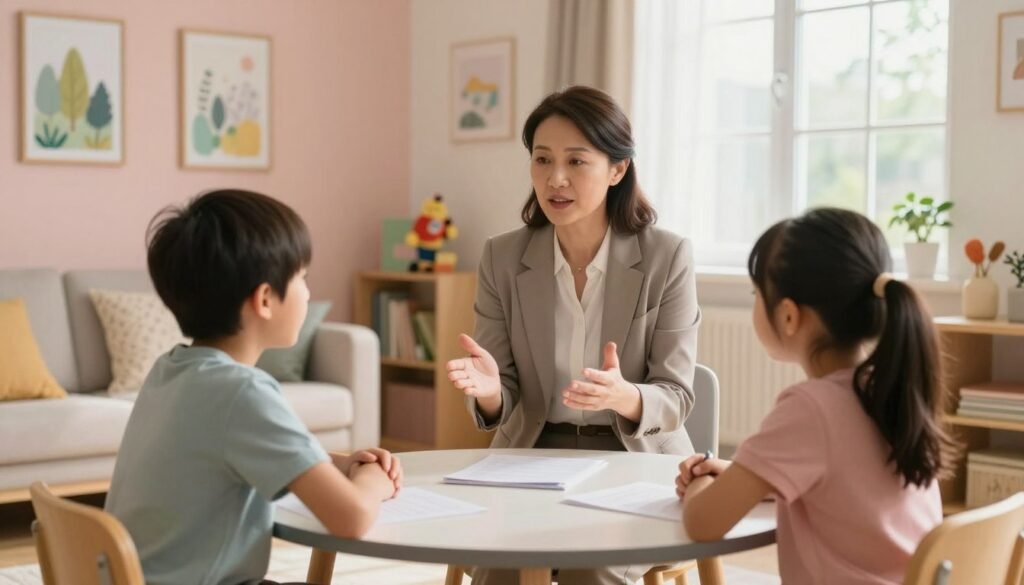
Defining the Scope of Family Mediation for Children
This process aims to create a collaborative environment for parents to make decisions together. It’s not about blame or past issues. Instead, it’s about practical problem-solving for a stable future for children.
Professional mediators act as neutral facilitators. They guide conversations toward solutions. They help parents address children’s needs, like maintaining routines and family connections. This proactive approach reduces conflict’s long-term effects on children’s development.
How Mediation Differs from Traditional Child Counselling
Parents often confuse children therapy mediation with mental health support. Both are valuable but serve different purposes. Knowing the difference between child counselling and mediation helps choose the right professional.
The following table highlights the key differences between these two essential services:
| Feature | Family Mediation | Child Counselling |
|---|---|---|
| Primary Goal | Collaborative Agreement | Emotional Healing |
| Focus Area | Future Co-parenting Plans | Internal Psychological State |
| Process Style | Structured Negotiation | Clinical Therapy |
| Outcome | Binding or Agreed Plan | Improved Mental Well-being |
Child counselling helps children process emotions and trauma. In contrast, family mediation focuses on building a co-parenting structure. The right choice depends on whether your family needs emotional support or a clear future roadmap.
Recognising When Your Family Needs Professional Mediation
Many families find it hard to tell when everyday squabbles turn into deeper emotional issues. It’s tricky to know when normal growing pains have turned into patterns needing outside help. Spotting these changes early is key to safeguarding your family’s happiness.

Identifying Signs of Escalating Conflict
Household tension often shows up in changes in behaviour. You might see your children pulling back or arguments getting out of hand. These signs suggest your current conflict resolution for children methods are no longer working.
When hostility persists or communication breaks down, it’s time for a neutral third party. Children who feel ignored may act out, upsetting the whole household. Good child dispute resolution can stop these patterns before they’re too deep.
The Importance of Early Intervention in Youth Dispute Resolution
Acting quickly when problems start is a proactive step for a healthy home. Waiting for issues to resolve on their own can lead to more resentment and emotional exhaustion. By focusing on youth dispute resolution, you equip your children to handle complex emotions safely.
Early intervention is not a sign of weakness; it’s a dedication to your family’s well-being. It helps replace explosive arguments with constructive talks. Starting conflict resolution for children early prevents small issues from becoming big emotional hurdles. This approach builds resilience and strengthens family bonds.
Deciding to seek youth dispute resolution early shows you value open communication. It makes a space where everyone can share their feelings without fear of being judged. This is crucial for lasting peace and emotional stability.
Preparing Your Children for the Mediation Process
Effective children’s mediation relies on open and honest communication. When families undergo changes, children often feel uncertain. Giving them clear, age-appropriate information helps them feel involved, not just bystanders.
Communicating the Purpose of Mediation to Kids
It’s crucial to explain that mediation is a safe space for finding solutions. Avoid using legal jargon that could confuse or scare them. Instead, focus on the idea that everyone is working together to improve the family’s life.
Encourage your children to ask questions about the process. By validating their curiosity, you offer the necessary children’s mediation support for their security. Remind them that their voice is important and they’re not responsible for adult decisions.
Creating a Supportive Atmosphere at Home
Keeping a sense of stability at home is vital during changes. Children do well when they know what to expect in their daily routines. Try to maintain consistency in mealtimes, school runs, and bedtime rituals to offer a calming anchor for their emotions.
Create a space where feelings are welcomed without judgment. When children feel safe sharing their worries, they’re better prepared for constructive dialogue. This emotional safety is a key part of successful kids’ mediation assistance.
Tips for Reducing Anxiety Before the First Session
Preparation can significantly lower stress levels for younger family members. Use the following table to understand how to tailor your approach based on the age of your child.
| Age Group | Primary Focus | Preparation Strategy |
|---|---|---|
| Young Children | Security | Use simple language and play-based explanations. |
| Pre-Teens | Understanding | Explain the “why” and listen to their specific concerns. |
| Adolescents | Autonomy | Involve them in the process and respect their boundaries. |
Always remind your children that they have the right to take breaks if they feel overwhelmed. Giving them control over their participation can greatly reduce anxiety. By prioritising their comfort, you ensure the mediation process is a positive experience for all.
Selecting the Right Professional Mediation Services
Finding the right expert is crucial for your family’s journey towards resolution. A specialist who understands your household’s unique needs can significantly impact success. Investing time in selecting professional mediation services prioritises your children’s long-term well-being.
Qualities to Look for in a Qualified Mediator
A good mediator offers more than legal knowledge. They should have a mix of professional expertise and genuine warmth. Key traits for working with your family include:
- Deep Empathy: The ability to grasp the emotional state of parents and children.
- Unwavering Neutrality: A steadfast commitment to fairness and impartiality in every session.
- Specialised Experience: A proven track record in handling cases involving minors and complex family dynamics.
- Clear Communication: The skill to simplify complex ideas for children’s understanding.
Verifying Credentials for Child-Focused Mediation Services
Before committing, verify the mediator’s background and qualifications. Not all child mediation services are equal, so thorough research is wise. Ensure the mediator is fully accredited and adheres to strict ethical standards.
Begin by checking if the mediator holds certifications from recognised family law or mediation boards. Request references or testimonials from other families who’ve used child-focused mediation services. These small steps ensure your family is in safe, capable hands.
Step One: Establishing a Safe Environment for Dialogue
Creating a safe space is crucial for effective children’s mediation. In complex emotional situations, the setting of the meeting room is key. It must be a place where everyone feels safe to speak without fear of being judged or attacked.
Setting Ground Rules for Productive Conversations
At the start, the mediator sets clear rules for discussion. These rules aim to prevent aggressive or dismissive language that can block progress. By establishing these boundaries, families can focus on finding solutions rather than dwelling on past issues.
For children’s mediation support to be effective, all parties must agree to follow these rules. They are encouraged to speak one at a time and use “I” statements to express their feelings. This approach helps reduce defensiveness and fosters a more collaborative environment.
“A safe space is not merely the absence of conflict, but the presence of a structure that allows for the honest expression of needs and the respectful hearing of others.”
Ensuring Neutrality and Fairness for All Parties
The mediator acts as a neutral facilitator, ensuring no single voice dominates. This balance is crucial in the early stages. Fairness is achieved by giving each family member an equal chance to share their views in a controlled environment.
In children’s mediation support, the expert must remain impartial to gain trust from all parties. This impartiality ensures agreements are in the best interest of the children. Below is a comparison of productive and destructive communication styles during these sessions.
| Communication Style | Impact on Mediation | Outcome |
|---|---|---|
| Active Listening | Validates feelings | Increased trust |
| Interrupting | Creates frustration | Stalled progress |
| Collaborative Tone | Encourages empathy | Sustainable solutions |
| Blaming Language | Increases defensiveness | Breakdown of dialogue |
By following these standards, children’s mediation becomes a powerful tool for healing. It turns chaotic disputes into manageable conversations, leading to long-term family stability.
Step Two: Facilitating Open Communication Between Parents and Children
When families navigate through tough times, open communication becomes a lifeline. Offering mediation support for parents helps them move from reactive to proactive. This shift is crucial for creating a space where every voice is heard.
Active Listening Techniques for Parents
Active listening goes beyond hearing words; it’s about grasping the emotional intent behind them. Parents should maintain eye contact and use open body language to show they’re fully engaged. Reflecting back what a child says shows they’re processing the information, not just waiting to speak.
Asking open-ended questions encourages children to share their feelings freely. This is key in children therapy mediation, as it validates their experiences. Remaining calm and avoiding interruptions creates a safe space for honest dialogue.
Encouraging Children to Express Their Needs Safely
Children often find it hard to express complex emotions during family conflicts. A neutral space lets them share their needs without fear of judgment. This is at the heart of effective parent-child mediation, making the child feel involved, not just a bystander.
Parents can explain the mediation process in simple terms. When children feel secure, they’re more likely to share their concerns. This openness builds trust that lasts beyond the sessions.
Overcoming Barriers to Honest Communication
Defensiveness is a major obstacle to productive talks. When parents feel attacked, they might shut down or react negatively, hindering child counselling and mediation. Recognising these triggers is the first step to overcoming them and focusing on the child’s well-being.
The table below shows how to move from reactive to constructive dialogue:
| Communication Barrier | Reactive Response | Constructive Alternative |
|---|---|---|
| Defensiveness | Justifying past actions | Acknowledging the child’s feelings |
| Interrupting | Correcting the narrative | Listening until the child finishes |
| Emotional Bias | Focusing on personal hurt | Prioritising the child’s perspective |
| Closed Questions | Asking “Why did you do that?” | Asking “How did that make you feel?” |
By choosing these constructive alternatives, parents can break down barriers to honest communication. This requires patience but is a transformative step towards a healthier family dynamic.
Step Three: Addressing Specific Disputes Through Child-Focused Mediation
Family disputes are complex, requiring a strategy that prioritises the child’s wellbeing. At this stage, the aim is to address specific issues affecting your family’s daily life. This move helps to overcome general frustrations.
Focusing on the Best Interests of the Child
Protecting children from adult disagreements is paramount. While it’s natural to feel hurt or frustrated, prioritising the child’s needs ensures decisions are sustainable and fair. Child-focused mediation services help parents focus on building a stable future for their children, rather than winning arguments.
When adults focus on the child’s best interests, finding common ground becomes easier. This shift helps to remove personal grievances, allowing for a more objective view of what matters for family harmony.
Managing Emotional Responses During Difficult Discussions
Discussions about custody or living arrangements can trigger intense emotions. Professional mediation services create a structured environment where these feelings are acknowledged without derailing the session. Mediators are trained to intervene when tension rises, preventing unproductive conversations.
A neutral third party ensures respectful dialogue and prevents blame. This support is crucial for maintaining a constructive atmosphere during challenging topics.
Techniques for De-escalating Tense Moments
When discussions become heated, having tools to lower the temperature is essential. Simple techniques can significantly impact the mediation’s progress:
- Take a scheduled break: Stepping away for ten minutes helps everyone regain composure.
- Use “I” statements: Focusing on your own feelings reduces defensiveness.
- Reframe the issue: Viewing the problem as a shared challenge rather than a battle helps.
By using these strategies, you keep the process focused on finding solutions. Remember, the goal of professional mediation services is to create a path forward that supports your children through this transition.
Step Four: Implementing Conflict Resolution Strategies for Kids
Teaching children to manage disagreements is crucial for their development. It’s more than just a skill for the mediation room. By focusing on conflict resolution for kids, parents equip them with the tools to face life’s challenges confidently and maturely.
This stage transforms tough moments into valuable learning experiences. By moving from past issues to future solutions, families can foster a more stable environment. This benefits everyone involved.
Teaching Problem-Solving Skills During Mediation
Effective child dispute resolution involves teaching kids to find the root of problems, not just react to emotions. Mediators guide them through a structured process. This helps children express their feelings safely and understand others’ viewpoints.
This method empowers kids to play an active role in shaping their futures. By breaking down complex issues into smaller parts, they develop the resilience needed to handle disagreements on their own.
Encouraging Collaborative Decision-Making
When children are involved in conflict resolution for children, they feel valued and respected. This reduces their anxiety. Encouraging them to make decisions together lets them contribute to their daily lives, like visitation schedules or holiday plans.
This sense of agency is key to effective kids’ mediation assistance. When children help create the solution, they are more likely to adhere to it in the long run.
| Approach | Focus | Outcome |
|---|---|---|
| Traditional | Parental control | Compliance |
| Collaborative | Shared input | Commitment |
| Mediation | Skill building | Independence |
Step Five: Navigating Child Custody Mediation with Sensitivity
When parents separate, the process of child custody mediation becomes crucial in safeguarding family harmony. This phase demands a fine balance between fulfilling legal obligations and addressing the emotional needs of the children. By prioritising cooperation, families can navigate this challenging time with confidence.
Prioritising Stability and Routine
Children benefit greatly from a predictable environment, especially during periods of significant change. Consistent routines help them feel secure and supported as they adapt to new living situations. It’s vital to maintain stable school schedules, extracurricular activities, and bedtime rituals.
Professional mediation services for families can assist in identifying key routines to preserve. When both parents commit to maintaining these routines, it significantly reduces children’s anxiety during a separation. Stability acts as an anchor, providing a safe space for kids to process their emotions.
Developing Co-Parenting Plans That Work
A successful co-parenting plan serves as a roadmap for your family’s future. These plans should be flexible to accommodate your children’s growth while structured to prevent misunderstandings. Effective communication is the cornerstone of any lasting agreement.
During these discussions, you may also need to address financial arrangements through child support mediation. By focusing on the child’s best interests, you lay the groundwork for long-term cooperation. The aim is to build a partnership that puts your children’s happiness first.
Overcoming Common Challenges in Parent-Child Mediation
Family dynamics can be complex, revealing hidden hurdles that need a fresh perspective to overcome. Even with the best intentions, parent-child mediation can face significant friction. This friction tests the patience of everyone involved. Understanding these obstacles as a natural part of conflict resolution for kids helps families stay flexible and focused on their long-term goals.
Handling Resistance from Adolescents
Teenagers often feel their voices are overlooked during family transitions, leading to withdrawal or defiance. Effective adolescent conflict mediation shifts focus from enforcing rules to truly hearing the teenager’s perspective. By validating their feelings, mediators can transform resistance into a constructive dialogue that supports healthy youth dispute resolution.
It’s crucial to give young people a sense of agency during these sessions. When adolescents feel they have a genuine say in the outcomes, they are far more likely to engage positively with the process. Empowerment is the key to breaking down walls and building bridges between generations.
Managing Differing Expectations Between Parents
Parents often enter with vastly different visions for the future, creating a stalemate. Providing consistent mediation support for parents helps align these disparate views with the primary goal of the child’s well-being. When both parties understand that their individual needs must sometimes take a backseat to the child’s stability, progress becomes much easier to achieve.
Clear communication is the foundation of any successful agreement. By focusing on shared values rather than past grievances, parents can move forward with a unified plan. This collaborative approach is vital for the success of any child custody mediation effort.
| Challenge Type | Common Symptom | Proactive Solution |
|---|---|---|
| Adolescent Withdrawal | Silence or refusal to speak | Use private breakout sessions |
| Parental Conflict | Blaming or interrupting | Establish strict speaking turns |
| Unrealistic Goals | Demanding impossible outcomes | Focus on child-centric needs |
| Emotional Fatigue | Frustration and impatience | Schedule shorter, frequent meetings |
Long-Term Benefits of Professional Mediation for Minors
The true value of family mediation for children often reveals itself long after the final session has concluded. While the immediate goal is to resolve current tensions, the process provides a lasting framework for how young people handle life’s inevitable hurdles. Engaging in professional mediation for minors equips children with the emotional intelligence needed to navigate future challenges with confidence.
Building Resilience Through Conflict Resolution
When children learn to express their needs in a safe, structured environment, they develop essential resilience. This ability to process complex emotions allows them to adapt to change more effectively as they grow older. Instead of viewing conflict as a threat, they begin to see it as a problem that can be solved through calm dialogue.
Developing these problem-solving skills early on acts as a protective factor against future stress. Children who participate in this process often report feeling more empowered and heard. This sense of agency is a vital component of their long-term mental well-being.
Strengthening Family Bonds Post-Mediation
The positive impact of family mediation extends to the entire household dynamic. By establishing a culture of open communication, families can move past historical grievances and focus on a healthier future. This shift creates a more stable environment where every member feels valued and respected.
Even in cases involving child support mediation, the focus remains on maintaining a cooperative co-parenting relationship. When parents model respectful negotiation, children learn to value compromise and empathy. These strengthened bonds serve as a foundation for lasting trust, ensuring that the family unit remains supportive long after the formal process ends.
Conclusion
Opting for guided support in family disputes can significantly alter your home environment. Professional mediation for minors offers a secure platform where every voice is heard and respected. This method guides families towards understanding, helping them overcome immediate conflicts.
Effective adolescent conflict mediation is crucial for parents dealing with the challenges of their children’s growth. It promotes open communication, enabling your kids to tackle future issues on their own. This approach builds resilience and enhances family unity.
Initiating professional mediation for minors shows your dedication to your child’s emotional development. It turns tough times into chances for bonding. By starting adolescent conflict mediation, you pave the way for a more harmonious and stable home. Seek out a qualified mediator to embark on this journey towards a brighter future.
FAQ
What exactly are child mediation services and how can they support my family during a transition?
A: Child mediation services offer a neutral space for family members to share their feelings and concerns during tough times, like a separation. These mediation services for families are crucial, helping to improve communication and ensure long-term stability for all.
How does family mediation for children differ from traditional child counselling?
A: Child counselling and mediation may seem similar, but they serve distinct purposes. Family mediation for children focuses on finding solutions through collaborative problem-solving. In contrast, counselling is a therapeutic process aimed at addressing individual needs. Children therapy mediation specifically aims to resolve disputes, not provide a clinical diagnosis.
When is the right time to seek professional mediation services for my household?
It’s wise to consider professional mediation services when you notice escalating conflict or tension at home. Early intervention through youth dispute resolution can prevent emotional distress and stop harmful patterns in your children’s lives.
How should I explain the purpose of children’s mediation to my kids?
When discussing children’s mediation support, be honest and patient. Explain that it’s a way for everyone to be heard and that the mediator aims to help the family find a solution together. Offering kids’ mediation assistance at home by maintaining a calm atmosphere can greatly reduce their anxiety before the first session.
What qualities should I look for in child-focused mediation services?
Seek a professional who shows empathy, strict neutrality, and has experience working with minors. When choosing child-focused mediation services, verify their credentials with bodies like the Family Mediation Council (FMC). This ensures you receive high-quality, professional mediation for minors.
How do mediators ensure a safe and fair environment for parent-child mediation?
In parent-child mediation, the facilitator sets clear rules from the start. This prevents aggressive or dismissive language, ensuring everyone, regardless of age, feels respected. The mediator’s primary role is to maintain fairness, ensuring a productive dialogue.
What techniques are used to improve communication during child dispute resolution?
A: Child dispute resolution often involves teaching parents active listening skills. This helps them understand their child’s perspective without becoming defensive. Overcoming barriers to honesty fosters a more transparent and trusting environment through mediation support for parents.
How does mediation stay focused on the best interests of the child during difficult discussions?
A: Professional mediation services employ specific techniques to manage intense emotions. By focusing on the child’s needs, the mediator ensures conflict resolution for children remains constructive, leading to sustainable solutions.
Can conflict resolution for kids help them develop better problem-solving skills for the future?
Absolutely. Conflict resolution for kids during mediation teaches them to negotiate and make decisions collaboratively. These skills empower children, enabling them to positively shape their future arrangements.
How does child custody mediation help in creating a stable co-parenting plan?
A: Child custody mediation prioritises the stability and routine children need to thrive. These sessions help parents develop practical co-parenting plans. They also address financial aspects through child support mediation, ensuring children’s emotional and practical needs are met.
How do you handle resistance from teenagers during adolescent conflict mediation?
A: Adolescent conflict mediation requires a flexible, inclusive approach that respects teenagers’ growing independence. By addressing their unique concerns and managing differing parental expectations, mediators can effectively navigate the challenges of the teenage years.
What are the long-term benefits of professional mediation for minors?
The benefits of professional mediation for minors extend beyond resolving a single argument. It builds long-term resilience and equips children with tools to adapt to change. Ultimately, family mediation strengthens family bonds, creating a healthier, more harmonious foundation for the future.







Leave A Comment