
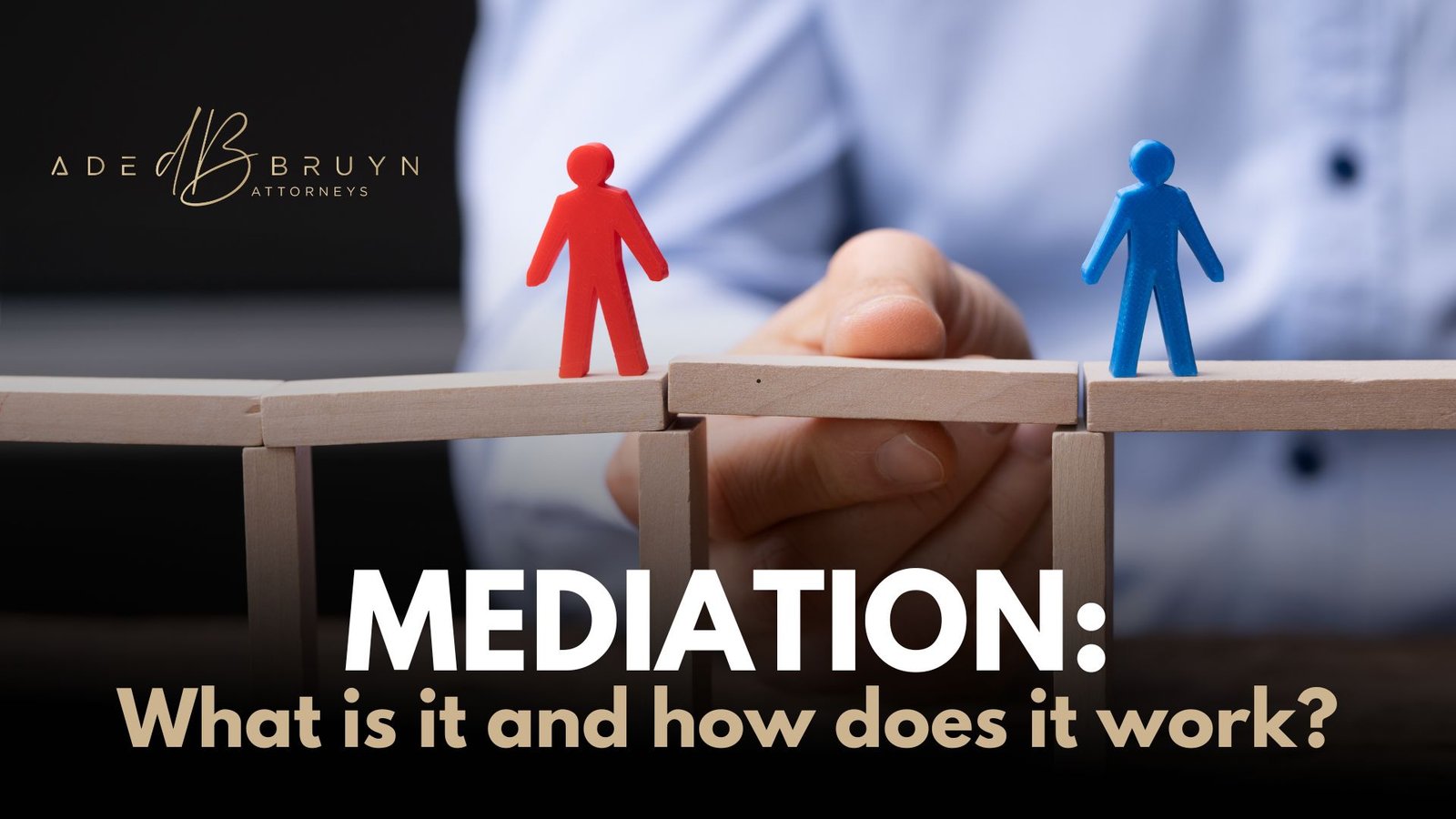
Mediation is a structured and peaceful method used to resolve conflicts without going to court, and understanding what is mediation helps individuals and businesses make better legal decisions. It involves a neutral third party who assists both sides in communicating effectively and reaching a mutual agreement. Instead of imposing decisions, mediation focuses on cooperation, discussion, and voluntary settlement, making it a preferred alternative in modern dispute resolution systems across the United States.
In today’s fast-paced legal environment, people often search what is mediation to find a quicker, less expensive alternative to traditional litigation. It is widely used in family disputes, workplace disagreements, and business conflicts where maintaining relationships is important. Mediation encourages problem-solving rather than confrontation, helping parties reduce emotional stress while maintaining control over the outcome instead of leaving decisions entirely to a judge or jury.
Mediation Definition and Meaning Explained
The mediation definition refers to a voluntary process in which a neutral mediator assists two or more parties in resolving disputes through structured communication and negotiation. The mediator does not act as a judge or decision-maker but instead guides discussions to help both sides identify common ground and work toward a fair settlement. This makes mediation a flexible and collaborative form of alternative dispute resolution widely used in legal systems.
When people ask what is mediation, they are essentially trying to understand how conflicts can be resolved without litigation. In simple terms, mediation meaning revolves around peaceful negotiation supported by an impartial third party. It is commonly used in civil, family, and commercial disputes, where both sides prefer privacy and efficiency over lengthy courtroom battles, making it one of the most practical legal tools today.
How Mediation Works Step by Step
To understand what is mediation more deeply, it is important to explore the step-by-step process. Mediation begins when both parties voluntarily agree to participate and select a trained mediator or professional mediation services provider. The mediator first explains the rules, ensures confidentiality, and sets a respectful environment. Each party then presents its side of the dispute, allowing the mediator to understand the core issues and emotional concerns involved.
After initial discussions, the mediator may hold joint sessions or private meetings known as caucuses. These sessions help clarify misunderstandings and explore possible solutions without pressure. Negotiation continues until both parties reach a mutually acceptable agreement. Once finalized, the agreement is documented and signed. This structured approach shows why understanding what is mediation is essential for anyone seeking efficient dispute resolution.
Types of Mediation in Legal and Everyday Situations

There are several types of mediation used in different areas of law and daily life. Family law mediation is one of the most common forms, especially in divorce cases involving custody, property, and financial arrangements. In such situations, a divorce mediation lawyer or divorce mediation attorney may assist clients in reaching fair and balanced agreements without going to court, reducing emotional and financial stress significantly.
Other forms include workplace mediation, commercial mediation, and community or peer mediation. In schools, peer mediation helps students resolve conflicts peacefully, while businesses use mediation to settle contract disputes. Debt-related cases may involve professional debt mediation, and even tax-related issues sometimes require structured negotiation through agencies or specialists. These examples highlight the versatility of what is mediation in real-world applications.
Mediation vs Arbitration Key Differences
A common question when learning what is mediation involves comparing mediation vs arbitration. In mediation, the mediator facilitates communication and helps parties reach their own agreement, while in arbitration, the arbitrator acts like a judge and delivers a binding decision. This key difference makes mediation more flexible and participant-driven, whereas arbitration is more formal and authoritative in structure.
When analyzing arbitration vs mediation, it becomes clear that mediation is generally less expensive, faster, and more collaborative. Arbitration, however, is often used when parties want a final decision without going to court. Choosing between these two methods depends on the level of control, confidentiality, and legal finality the parties desire in resolving their dispute.
Role of Mediation Lawyers and Attorneys
A mediation lawyer plays an important role in guiding individuals or businesses through complex disputes while ensuring their legal rights are protected. Although mediators remain neutral, mediation attorneys may represent clients during negotiations and help them understand legal implications of any agreement reached. Their involvement is especially valuable in complicated financial or family-related cases where legal clarity is essential.
In divorce cases, a divorce mediation attorney is often sought to manage sensitive issues such as child custody, asset division, and support arrangements. Many people search for divorce mediation near me to find experienced professionals who can help resolve matters efficiently. This legal support ensures that mediation remains fair, balanced, and aligned with state laws while still encouraging peaceful resolution.
Benefits of Mediation in Modern Disputes
One of the main reasons people search what is mediation is to understand its advantages. Mediation offers a cost-effective alternative to court proceedings, significantly reducing legal expenses and time delays. It also allows parties to maintain privacy, as discussions and agreements remain confidential. This makes it especially useful in sensitive cases such as family disputes or business disagreements.
Another major benefit of mediation is improved communication between conflicting parties. Instead of escalating conflict, mediation encourages cooperation and understanding. It also gives both sides greater control over the final outcome, leading to more personalized and satisfactory agreements. These benefits explain why mediation continues to grow as a preferred dispute resolution method in the United States.
Limitations of Mediation to Consider
Although mediation is highly effective, it does have limitations that should be understood when exploring what is mediation. The process requires both parties to cooperate willingly, and without mutual participation, mediation may fail. It is not suitable for cases involving extreme power imbalances, abuse, or situations where one party refuses to negotiate in good faith.
Another limitation is that mediation agreements are not automatically enforceable unless legally formalized. If parties do not honor the agreement, further legal action may be required. Additionally, mediation may not be appropriate for cases that require a strict legal ruling or public judgment, such as criminal matters or complex legal disputes requiring court interpretation.
Real-Life Applications of Mediation
In real-world scenarios, what is mediation can be seen in workplace conflicts where employees and employers resolve disputes without litigation. Businesses often use mediation to handle contract disagreements, partnership issues, and negotiation breakdowns. This helps companies avoid costly legal battles while preserving professional relationships and maintaining productivity.
Schools also use peer mediation programs to help students resolve conflicts peacefully and develop communication skills. In family law, mediation is widely used to settle divorce-related matters in a less stressful environment. These examples demonstrate how mediation plays a vital role in promoting fairness, understanding, and efficiency across different areas of society.
Conclusion
In conclusion, what is mediation can be defined as a collaborative and structured process that helps individuals and organizations resolve disputes without going to court. It focuses on communication, cooperation, and mutual agreement, making it a highly effective alternative to traditional litigation. Its flexibility and confidentiality make it suitable for a wide range of legal and personal conflicts.
As modern legal systems evolve, mediation continues to grow in importance as a preferred method of dispute resolution. Whether dealing with family matters, business conflicts, or workplace disagreements, understanding what is mediation empowers people to choose peaceful and practical solutions that save time, money, and emotional stress while preserving relationships.
You may also read: Divorce Mediation and the Role of Legal Professionals







Leave A Comment