
The internet has become an essential part of modern education, allowing children to access information, complete school assignments, and explore new interests from virtually anywhere. While online resources offer tremendous learning opportunities, they also expose young users to content that may not be appropriate for their age. This challenge has encouraged parents, teachers, and schools to search for safer alternatives that help children browse the web with greater confidence and protection.
Kiddle is one of the most recognized child-friendly search engines available today. Designed specifically for younger audiences, it provides a safer online experience by filtering search results and prioritizing educational content. Its colorful design, easy navigation, and safety-focused approach make it a practical choice for families and educators who want children to enjoy the benefits of the internet while reducing potential risks.
What Is Kiddle?
Kiddle is a visual search engine created to help children find information online in a safer and more controlled environment. Unlike traditional search engines that display a wide range of content for all age groups, Kiddle focuses on delivering search results that are considered appropriate for younger users. The platform aims to simplify online research while minimizing exposure to harmful, explicit, or misleading content.
One of the reasons Kiddle has gained popularity is its child-centered design. The homepage is bright, engaging, and easy to understand, making it less intimidating for young users who are still developing their digital literacy skills. By presenting information in a clear and organized way, Kiddle helps children build confidence while learning how to search for information independently.
How Kiddle Works
Kiddle operates by combining search technology with content filtering systems that help identify and prioritize child-friendly websites. When a user enters a search query, the platform evaluates available information and displays results that are more suitable for children. Educational resources, trusted websites, and easy-to-understand content typically appear higher in the search results than more complex or adult-oriented pages.
The search engine also offers image and video search functions that follow similar safety guidelines. This is particularly useful for younger children who often learn through visual content. By reducing the likelihood of inappropriate images or videos appearing in search results, Kiddle creates a more comfortable environment for children to explore educational topics and develop research skills.
Features That Make Kiddle Unique
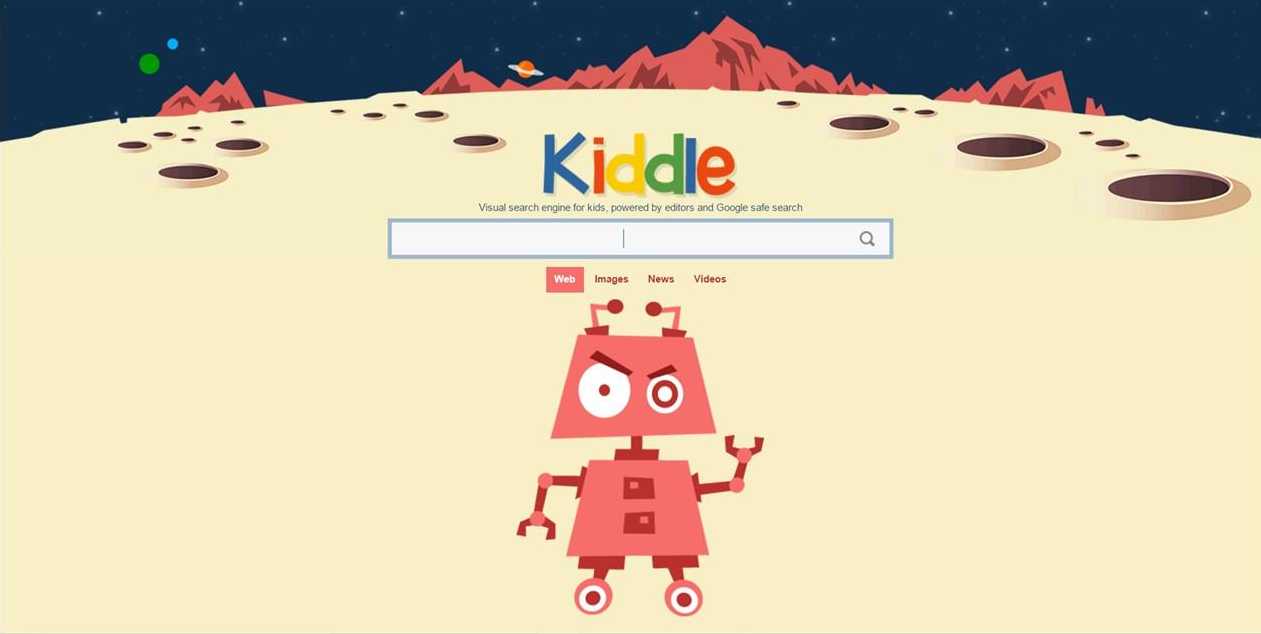
One of the most noticeable features of Kiddle is its visual layout. Large thumbnails, clear fonts, and simple navigation help children find information without feeling overwhelmed. The design is intentionally created to make searching enjoyable and accessible, even for users with limited online experience. This user-friendly approach helps children focus on learning rather than struggling with complicated interfaces.
Another important feature is the emphasis on educational content. Kiddle often prioritizes websites that provide factual information, learning materials, and age-appropriate explanations. This makes it a valuable tool for homework assignments, classroom research, and independent learning. The combination of safety and educational value sets Kiddle apart from many general-purpose search engines.
Is Kiddle Safe for Kids?
Safety is one of the primary reasons parents choose Kiddle for their children. The platform uses filtering methods designed to reduce access to explicit content and inappropriate websites. While no online service can guarantee complete protection, Kiddle significantly lowers the chances of children encountering material that may be harmful, offensive, or unsuitable for their age group.
It is important to understand that internet safety involves more than technology alone. Even when children use a child-friendly search engine, parental guidance remains essential. Parents can help children develop responsible browsing habits, discuss online safety practices, and encourage critical thinking when evaluating information found on the internet. When combined with active supervision, Kiddle can be an effective part of a broader online safety strategy.
Benefits of Using Kiddle
One of the greatest advantages of Kiddle is its ability to encourage independent learning. Children can search for information, explore new subjects, and answer their own questions in a safer environment. This independence helps build confidence and strengthens research skills that will remain valuable throughout their educational journey.
Kiddle also supports teachers and homeschooling parents by providing a more controlled search experience. Instead of worrying about inappropriate search results, educators can focus on teaching and guiding students through meaningful learning activities. This creates a more productive educational environment where children can concentrate on discovering knowledge and developing curiosity.
Limitations of Kiddle
Although Kiddle offers many benefits, it is not without limitations. Because the platform prioritizes safety, some websites that contain useful information may not appear in search results. This can occasionally make it difficult for older students to access detailed resources needed for advanced research or specialized topics.
Additionally, Kiddle may not provide the same volume of search results available through larger search engines. While this limitation supports a safer browsing experience, it can sometimes reduce the range of available information. Users seeking highly specific or professional-level content may eventually need additional research tools alongside Kiddle.
Kiddle Compared to Traditional Search Engines
Traditional search engines are designed to serve users of all ages and interests, which means they often display a broader range of content. While this approach provides access to vast amounts of information, it can also expose children to websites and materials that are not suitable for young audiences. Parents frequently find it challenging to monitor every search their children perform.
Kiddle addresses this issue by focusing specifically on younger users. Its search results are tailored to children’s needs, and its interface is easier to navigate. For elementary and middle-school students, Kiddle often provides a more comfortable starting point for online research while still offering access to valuable educational resources.
How Parents and Teachers Can Use Kiddle Effectively
Parents can maximize the benefits of Kiddle by making it the default search engine on devices frequently used by children. This simple adjustment helps establish safer browsing habits and encourages children to begin their online exploration in an environment designed with their needs in mind. Regular discussions about internet safety can further strengthen these positive habits.
Teachers can integrate Kiddle into classroom activities, research projects, and digital literacy lessons. By using a child-focused search engine, educators can create assignments that allow students to practice online research while minimizing distractions. This approach supports both academic development and responsible technology use, making Kiddle a valuable educational resource.
Why Kiddle Remains Relevant
As technology continues to evolve, concerns about children’s online safety remain a priority for families and schools worldwide. New websites, social platforms, and digital tools appear regularly, increasing the importance of reliable solutions that help children navigate the internet responsibly. Kiddle continues to meet this need by offering a safer and more accessible search experience.
The platform’s ongoing focus on child-friendly content, educational value, and user safety ensures that it remains relevant in an increasingly digital world. As parents and educators seek ways to balance online learning opportunities with appropriate safeguards, Kiddle continues to serve as a practical tool that supports both goals effectively.
Conclusion
Kiddle has established itself as a trusted search engine for children by combining safety features, educational resources, and an easy-to-use interface. Its child-focused design helps young users explore information with greater confidence while reducing exposure to inappropriate content. These qualities make it a valuable resource for families, schools, and educational organizations.
While no search engine can replace parental involvement and digital literacy education, Kiddle provides a strong foundation for safer online learning. By encouraging responsible internet use and supporting independent research, it helps children develop essential skills while enjoying the benefits of the digital world in a more secure environment.
FAQs
What is Kiddle?
Kiddle is a child-friendly search engine designed to help children safely search the web, images, and videos while accessing educational and age-appropriate content.
Is Kiddle free to use?
Yes, Kiddle is completely free and can be accessed through any modern web browser without requiring a subscription or payment.
Is Kiddle owned by Google?
Kiddle is not owned by Google, although it uses search technology and filtering methods that help provide relevant search results.
Can adults use Kiddle?
Yes, adults can use Kiddle. Many parents, teachers, and educators use it when searching for family-friendly educational resources.
Is Kiddle completely safe?
Kiddle provides strong safety measures and content filtering, but no search engine can guarantee complete protection. Adult supervision is still recommended.
Why do schools use Kiddle?
Many schools use Kiddle because it helps students access educational content while reducing the likelihood of encountering inappropriate material online.
You May Also Read: Why Movierulz Is Classified as a Piracy Platform








Leave A Comment