

The geopolitical chessboard has tilted dramatically following a historic transition at 10 Downing Street, setting off a wave of diplomatic anticipation across the globe. As Andy Burnham takes the official oath as the new British Prime Minister, standard diplomatic playbooks are being completely rewritten to accommodate a highly volatile international environment. The global community is watching with intense focus as a fresh, unpredictable dynamic begins to shape the future of trump uk relations. This leadership transition comes at a moment when both nations are grappling with intense internal economic pressures and shifting public expectations regarding their global roles.
A major energy controversy is putting this renewed transatlantic partnership to an immediate, highly publicized test that could set the tone for years to come. Emerging reports suggesting that the new British administration might reconsider drilling approvals in the Scottish North Sea have triggered unexpected, direct public commentary from US President Donald Trump. This article explores how a seemingly domestic fossil fuel debate is rapidly morphing into a complex foreign policy litmus test, highlighting the deep intersection between resource management, national sovereignty, and global alliances in a rapidly changing world.
The Great Pivot: Why PM Andy Burnham is Facing North Sea Pressure
Prime Minister Andy Burnham enters office with a distinct, devolution-focused agenda aimed heavily at easing the severe cost-of-living squeeze hitting British households. To achieve meaningful economic renewal and restore public confidence, the incoming administration is facing immense pressure from industrial lobbies to secure stable, homegrown energy reserves that protect the nation from external shocks. This shift has brought the future of massive fossil fuel infrastructure projects, specifically contentious drilling fields, back into intense public scrutiny and political debate. The administration must now decide whether to prioritize immediate economic relief or maintain its long-term environmental commitments.
The geopolitical backdrop—most notably ongoing international supply chain disruptions and highly unpredictable global energy markets—has dramatically forced energy security to the very forefront of British national policy. While the original Labour platform committed to a strict, rapid green transition, the harsh economic realities of 2026 are forcing a pragmatic, secondary look at existing fossil fuel infrastructure. Navigating the delicate balance between lowering immediate consumer utility bills and honoring international climate targets is proving to be an incredibly difficult tightrope walk for the new Prime Minister. Burnham’s ability to handle this internal pressure will largely dictate his administration’s domestic credibility and economic stability.
Trump-UK Dynamics: “Drill, Baby, Drill” Echoes Across the Atlantic
The emerging policy shift in London has caught the immediate attention of the White House, injecting a burst of volatile energy into the broader landscape of trump uk communications. President Trump openly praised early media leaks regarding potential North Sea fossil fuel development, taking to social media to claim that citizens in Aberdeen were virtually dancing in the streets over the prospect of renewed industrial activity. This public intervention highlights Washington’s keen interest in steering Western allies toward aggressive energy independence and away from regulatory frameworks that limit production. The enthusiastic response from the American executive branch has added a layer of international complexity to a highly sensitive domestic British issue.
Behind the scenes, this public cheering acts as a distinct, highly calculated form of diplomatic lobbying that puts the British government in a unique position. The current US administration views global fossil fuel abundance not just as an economic goal, but as a critical tool for geopolitical stability, expecting its European partners to align with this vision. For the newly formed British cabinet, dealing with such loud foreign enthusiasm requires immense tactical caution and sophisticated diplomatic messaging. They must find a way to acknowledge the support of their most powerful ally without appearing to have their domestic agenda dictated by Washington social media posts.
The Diplomatic Balancing Act: Sovereignty vs. The Special Relationship
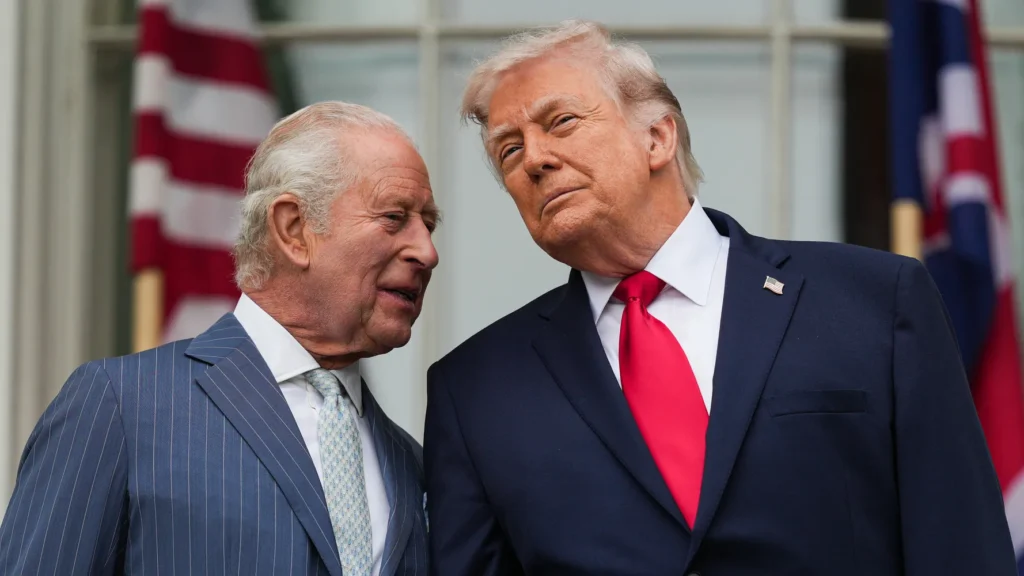
For Prime Minister Burnham, managing the complex realities of trump uk alignment means protecting national sovereignty while simultaneously preserving vital trade and defense partnerships that the nation relies upon. The UK continues to depend heavily on American cooperation within the NATO framework, making a strong, collaborative relationship with Washington critical for national security. However, bowing too visibly or too quickly to external American pressure on domestic energy policy risks creating significant political blowback at home, feeding narratives that the government is overly compliant. The challenge lies in maintaining a partnership of equals rather than one of subordination.
Foreign policy analysts note that the legendary “Special Relationship” has always involved a delicate, often stressful dance of strategic give-and-take. While the UK wants to show the world it is a resilient, business-friendly nation open to global investment, it must avoid looking like its industrial policies are vulnerable to foreign political pressure. Finding a path that satisfies domestic job demands and economic realities without completely surrendering to the Trump administration’s specific ideological agenda will define Burnham’s early foreign policy legacy. Success will require projecting strength at home while remaining cooperative on the international stage.
Domestic Fallout: The Political Backlash Inside Great Britain
The mere rumor of a significant energy policy shift has sparked a fierce, deeply polarized debate within the contemporary UK political landscape. Environmental organizations, climate activists, and the progressive wing of the Labour party are deeply frustrated by these developments, warning that expanding North Sea operations would severely compromise the nation’s legally binding net-zero targets. Climate advocates argue that greenlighting new drilling offers minimal, short-term relief for household bills while dealing lasting, irreversible damage to global green initiatives and Britain’s climate leadership. They view any compromise as a betrayal of core environmental promises.
Conversely, regional trade unions, industrial advocates, and local leaders in Scotland view the potential industrial push as a necessary economic lifeline for thousands of skilled energy workers. They strongly argue that a sudden, unmanaged halt to fossil fuel support without a fully realized green industrial alternative would cause severe economic harm to vulnerable coastal communities. This deep domestic division ensures that whatever path Downing Street ultimately chooses will leave a significant portion of the electorate deeply unsatisfied and politically alienated. The government faces the daunting task of managing these conflicting, highly emotional perspectives.
Conclusion: The Realities Ahead for Trump-UK Relations
The unfolding situation reveals that modern diplomacy is thoroughly and permanently intertwined with global resource security and economic pragmatism. What began as a local industrial decision regarding North Sea oil has quickly evolved into an instructive case study on how external superpowers can influence domestic sovereign policies. The future of trump uk relations will depend heavily on how both administrations negotiate these overlapping economic interests while respecting each other’s political boundaries. It marks the beginning of a highly transactional era in transatlantic diplomacy.
As Prime Minister Burnham firmly establishes his administration, he will need to craft a cohesive, long-term strategy that protects British economic interests without alienating his closest international ally. The evolving policy decisions made in the coming months will signal whether the UK intends to chart a fully independent economic course or lean closer into transatlantic alignment. Ultimately, the resolution of the North Sea drilling debate will serve as a definitive indicator of how the UK intends to navigate the complex waters of international diplomacy under a Trump presidency.
Frequently Asked Questions (FAQs)
How are trump uk relations currently being handled by the new Prime Minister?
Prime Minister Andy Burnham is taking a pragmatic, business-first approach to managing relationships with Washington. While acknowledging deep ideological differences on various social and environmental issues, the core focus remains firmly on mutual defense, shared industrial trade, and stabilizing global energy markets to protect domestic consumers. The administration aims to build a cooperative partnership based on shared economic realities rather than political alignment.
Why is Donald Trump publicly commenting on British North Sea oil policy?
President Trump’s public praise aligns with his broader global policy favoring aggressive fossil fuel production and energy independence among Western allies. The US administration strongly favors removing regulatory limits on drilling to lower global energy pricing pressures and counter rival energy-exporting nations. By publicly supporting the UK’s potential policy shift, Washington hopes to encourage a broader trend away from strict climate regulations among its European partners.
Will the UK completely reverse its current environmental commitments?
The British government insists it remains fundamentally committed to its long-term carbon reduction goals and climate targets. However, senior cabinet members have indicated a shift toward a more gradual, pragmatic transition that actively protects industrial jobs and consumer utility costs during current global economic challenges. The strategy is being framed as an adjustment to the timeline rather than a complete cancellation of the nation’s green energy future.
You may also read: Comprehensive Travel Add-Ons & Ecosystem Integration









Leave A Comment