
Navigating the financial landscape of the United Kingdom requires a clear, data-driven understanding of current economic benchmarks. As we move through 2026, shifting remote work models, persistent inflation adjustments, and evolving corporate structures continue to redefine what a typical worker brings home. Whether you are bargaining for a well-deserved promotion, plotting a major career pivot across counties, or simply curious about where your personal earnings fall on the national spectrum, staying updated with fresh data is an absolute necessity for your financial health.
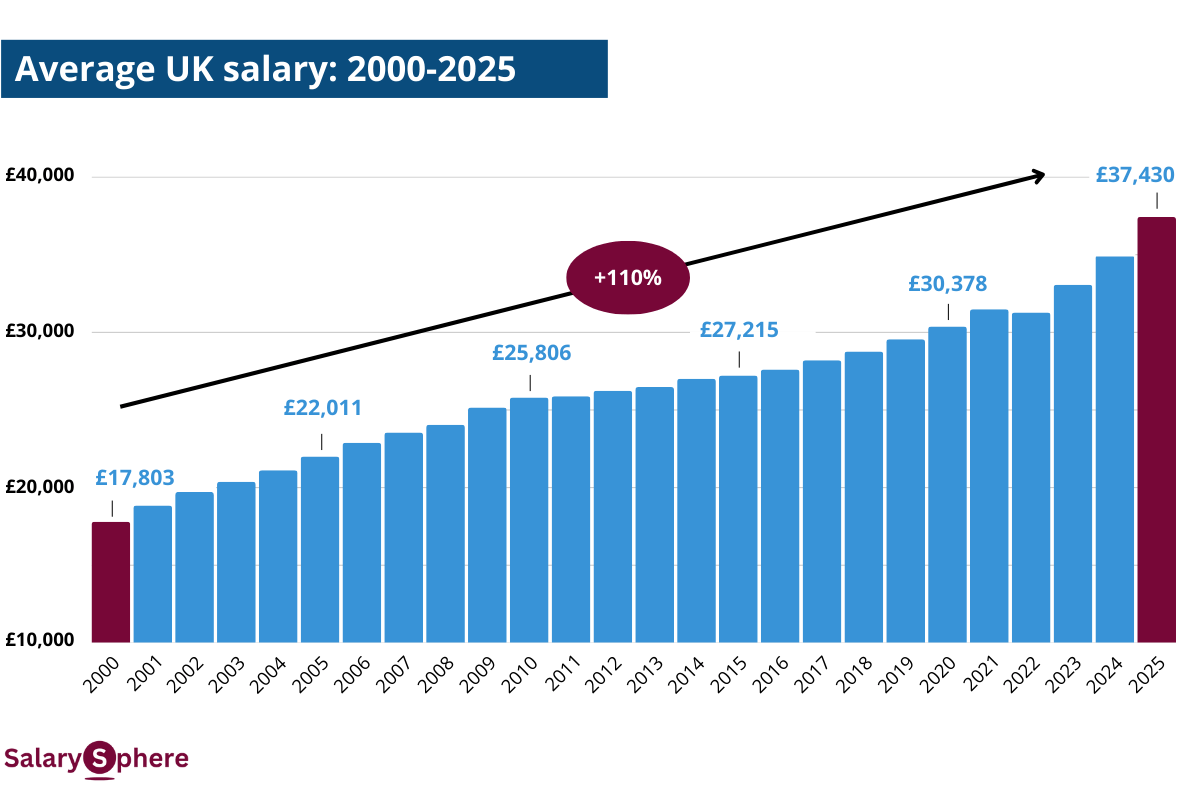
To truly master the nuances of the uk average salary, one must first grasp the critical distinction between the mathematical mean and the median. While the mean full-time earnings sit significantly higher at £48,512 due to ultra-high corporate earners skewing the data, the Office for National Statistics (ONS) relies on the median to show the true middle point of the population. Currently, the median uk average salary for full-time employees stands at £39,039, while the broader figure for all workers, including part-time roles, rests comfortably at £32,890.
Navigating the UK Average Salary by Distinct Age Groups
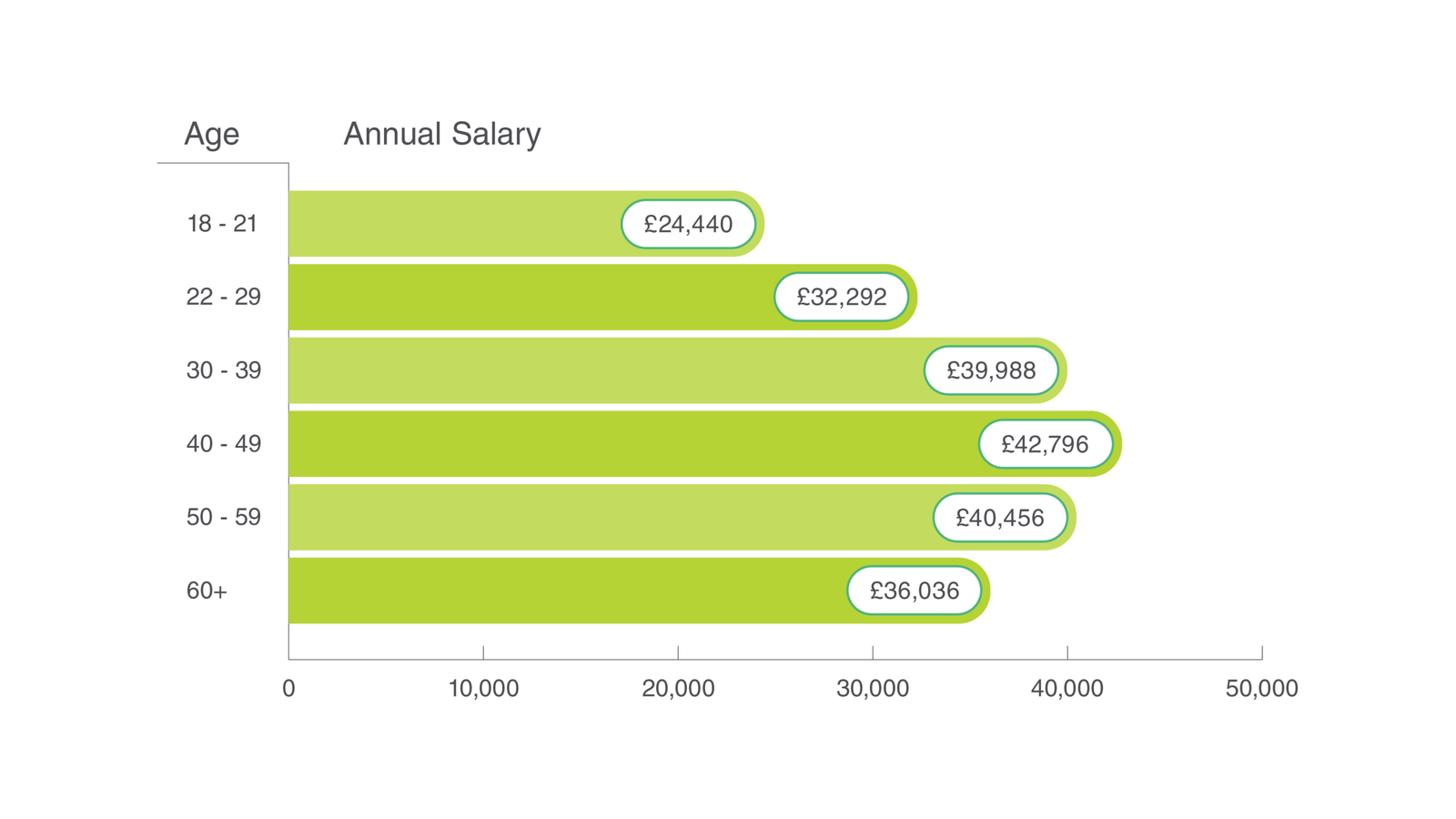
Age and cumulative workplace experience remain two of the most significant driving factors behind your ultimate earning potential in the British market. Young professionals aged 18 to 21 typically navigate entry-level positions, hospitality roles, or vocational apprenticeships, heavily influenced by the recently adjusted National Living Wage, resulting in an introductory annual benchmark of approximately £19,300. As workers step cleanly into their twenties, rapid early career advancement, corporate graduate schemes, and initial promotions generally elevate the national median figure to around £30,000 for this ambitious demographic.
The upward trajectory accelerates rapidly as professionals enter their thirties, managing mid-level corporate roles, refining specialized skills, and developing niche industry expertise that commands higher market value. During this dynamic phase of life, the median baseline climbs steadily to £37,544 as household responsibilities frequently expand alongside professional duties. Earning power traditionally peaks between the ages of 40 and 49, where senior management positions and director roles push the uk average salary beyond the £40,000 threshold, before stabilizing after age 50 as individuals transition toward consulting or reduced hours.
A Regional Breakdown of the UK Average Salary Across the Map
Geography plays a monumental role in determining the structural weight of your paycheck and your overall purchasing power across the United Kingdom. London continues to dominate the economic charts with a staggering full-time median earnings figure of £49,692, driven by global financial headquarters, tech hubs, and the essential “London Weighting” allowance. However, this premium is heavily counterbalanced by the capital’s steep cost of living, forcing modern workers to carefully balance higher nominal earnings against inflated housing expenses and commuting costs.
Outside the capital, a noticeable economic divide exists between the southern and northern regions of England, impacting local recruitment markets significantly. Prosperous commuter hubs throughout the South East and South West generally maintain higher wage baselines than the industrial valleys of the Midlands or the North West. Meanwhile, the devolved nations offer completely distinct economic landscapes; Scotland boasts remarkably strong medians in Edinburgh’s financial sectors, while Wales and Northern Ireland feature steadier, public-sector-driven averages that offer excellent relative lifestyle affordability.
How the UK Average Salary Varies Across Major Industrial Sectors
Your chosen career path dictates your ultimate financial ceiling far more than almost any other variable in the modern workplace. The highest-paying tier in 2026 is aggressively led by software development, Artificial Intelligence engineering, corporate legal services, and specialized investment banking sectors. In these highly competitive corporate landscapes, signing bonuses and initial packages routinely dwarf national averages, as global firms fight tooth and nail to attract top-tier university talent and experienced innovators.
Conversely, the middle-tier and lower-tier sectors provide the foundational, day-to-day economic backbone of the entire British infrastructure. Healthcare workers within the NHS, primary school educators, and civil engineering professionals enjoy stable, structured pay scales that align incredibly closely with the national median benchmarks. On the lower end of the financial spectrum, industries like hospitality, high-street retail, and the creative arts report lower median earnings, which is frequently caused by a high concentration of flexible, part-time contracts.
Understanding What Truly Counts as a Good UK Average Salary
Determining what actually constitutes a “good” income depends entirely on your personal lifestyle expectations, family size, and your local postal code. Earning an individual gross income of £40,000 places you comfortably above the national full-time median, offering a highly stable, comfortable middle-class lifestyle across the majority of welcoming UK towns and rural areas. However, that exact same figure can feel incredibly stretched if you are attempting to rent a modern apartment or buy a home in central London.
To officially join the ranks of the top 10% of earners nationwide, an ambitious individual needs to secure a pre-tax annual income exceeding £76,903 through specialized work. Reaching the elite top 1% requires entering the multi-six-figure territory, typically reserved for executives, successful entrepreneurs, and elite medical professionals. Crucially, professionals must always distinguish between gross figures and take-home realities, ensuring they factor in rising income tax bands, National Insurance contributions, and mandatory workplace pension deductions.
Summary and Final Takeaway on National Earnings
Ultimately, assessing the uk average salary is not about matching a single national number, but rather understanding the contextual ecosystem of your industry, age, and location. Raw averages tell only a small fraction of the story, and comparing yourself blindly to them can lead to poor career decisions. Utilizing comprehensive, up-to-date ONS datasets empowers you with the necessary leverage to negotiate fair compensation, evaluate job offers accurately, and map out a truly prosperous financial future.
When planning your next career move or annual review, remember that total compensation often includes valuable benefits beyond your base wage. High-value pension matches, private health insurance, flexible remote working arrangements, and performance bonuses can bridge the gap if a base salary sits slightly below the regional average. Keep a close eye on industry trends as the economic landscape continues to shift throughout the remainder of the year.
Frequently Asked Questions (FAQs)
What is the exact average full-time salary in the UK right now?
Based on current ONS metrics, the national median gross annual salary for full-time employees is £39,039.
What is the average salary in the UK per month?
A full-time worker earning the national median receives a gross monthly income of roughly £3,253 before tax, national insurance, and pension deductions.
Is £40k considered a good salary in the UK?
Yes. A salary of £40,000 sits comfortably above the national median for all workers and provides a strong quality of life, particularly outside of London.
Why is there such a massive difference between the mean and median salary?
The mean average (£48,512) is heavily skewed upward by top-tier executives and high earners, whereas the median (£39,039) represents the exact middle person in the country.
Which age bracket earns the most money in the UK?
Workers aged 40 to 49 generally achieve peak earning status, as their accumulated experience pushes their median income past the £40,000 mark.
You may also read: Navigating Diverse Rental Metrics: Affordability Standards and Commercial Spaces









Leave A Comment